FOR THE TABLE
Feeding a group
Sandwiches for an office lunch or a spread of Sicilian dishes to share. Start with the date, the number of guests and a call to the kitchen.
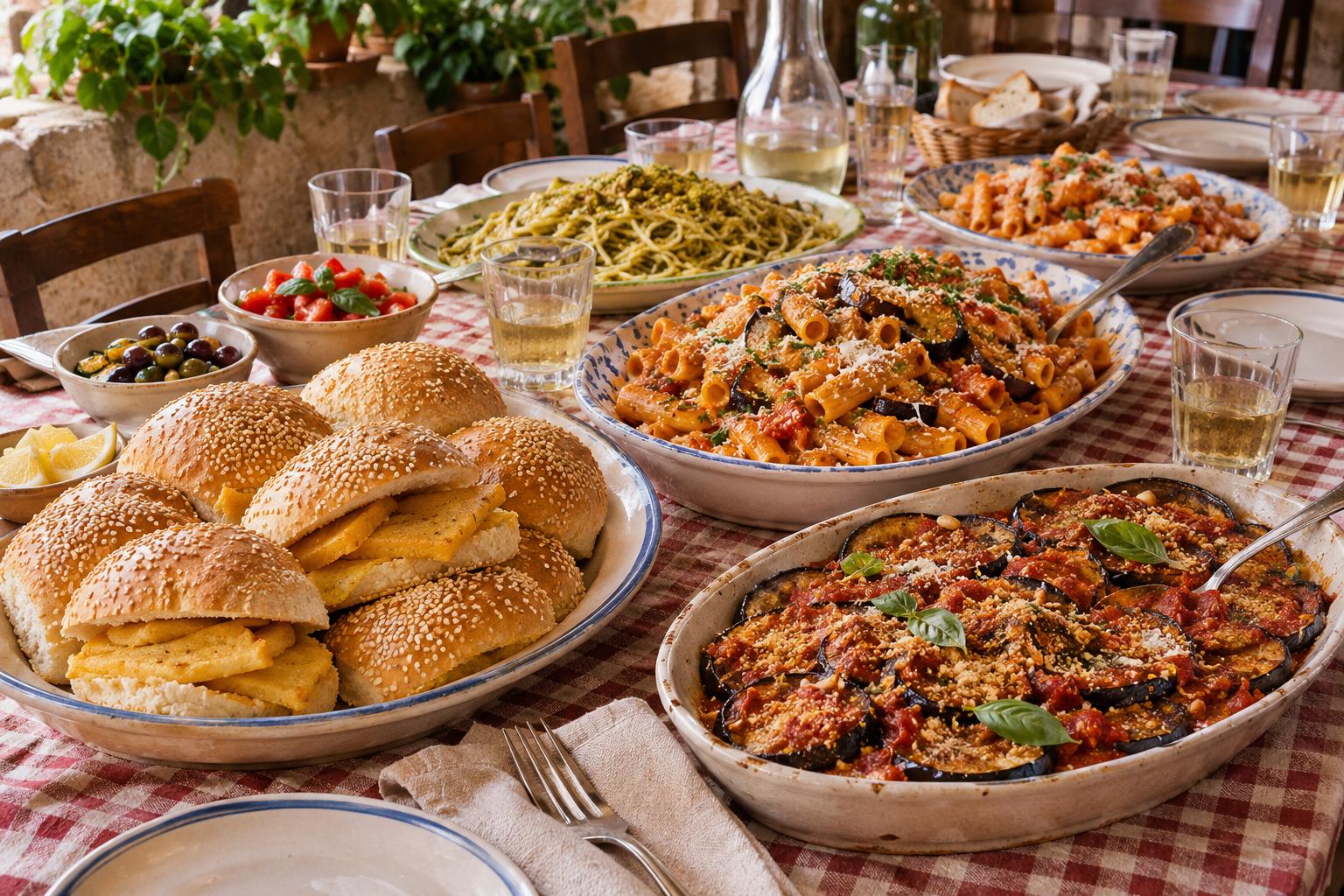
Discuss a group meal
Have your headcount, date, collection time and ingredient questions handy. Confirm portions and pricing directly with the restaurant.
Begin with the people at the table
For a group meal, call Joe’s at (718) 449-9285 with the date, the number of guests and the time you hope to serve. Say whether everyone wants an individual lunch or whether several dishes will be set out to share. Eight sandwiches for eight coworkers is a different conversation from a table that would like to taste several pastas. A short description of the occasion helps explain what kind of order you have in mind.
Choose one person to speak with the kitchen and one place to keep the current list. That person can collect questions before calling and pass the answers back to the group. If the number of guests is still changing, say how many are confirmed and when you expect to know the final count. Ask the restaurant when it would be helpful to call back with firm quantities.
Build an individual lunch list
For an office lunch, write each person’s name beside the complete dish name and any side they want. When someone asks for a croquette, find out whether they mean a potato croquette roll or the side of potato croquettes. The same question is worth asking about panelle. Read the individual choices back once, then combine identical dishes into quantities for your call to the restaurant.
Keep both versions of the list. The kitchen can discuss counts such as three meatball heroes, two panelle rolls and a Pasta alla Norma. The person handing out food at the office still needs to know who requested each lunch. If an order changes, update both lists while the change is fresh. Include any shared starters separately so they do not accidentally become part of one guest’s lunch.
Plan a shared Sicilian meal
Start with the mains that people are excited to eat. Pasta alla Norma brings tomato, eggplant and ricotta salata to the table. For guests who enjoy fish, Pasta con le Sarde combines sardines with wild fennel. Lasagna with meatballs gives the group another direction entirely. Choose the number of different mains first, then ask the restaurant how the available portions might fit the head count and the rest of the meal.
A few starters or sides can make it easier for a group to try unfamiliar dishes. Panelle are a way to introduce chickpea fritters to guests who have never had them. Caponata brings a sweet-and-sour eggplant dish alongside pasta or sandwiches. For an order of arancini or potato croquettes, ask how many pieces the order includes if everyone expects a taste. Portion questions are easier to settle before the collection time is agreed.
Discuss ingredients with the kitchen
Collect dietary questions from the guests themselves. A guest might want to know about a specific cheese, seafood ingredient or preparation surface. Record the actual question beside the dish under consideration so it reaches the kitchen clearly. Avoid making a choice for someone on the basis of a short menu description. For an allergy, give the guest an opportunity to speak directly with the restaurant before the order is settled.
When people will be sharing dishes, find out whether anyone needs their meal kept apart from the rest. Ask what arrangements the kitchen can accommodate for this particular order. Bring the answer back to the guest and let them decide. If your group needs serving utensils, individual packaging or other arrangements, cover those questions on the call as well; they are worth agreeing on before anyone sets the table.
Agree on collection and cost
Work backward from the time people are due to eat. Allow for travel from 289 Avenue U to your destination, finding the person receiving the order and setting the food out. Tell the restaurant when the meal is being served as well as when someone could collect it. Ask whether your requested quantities and pickup time are possible and confirm how the total will be calculated once the menu is settled.
For a bigger meal, ask directly about any catering arrangements or larger portions you have in mind. The ordinary pickup menu gives you a starting point for dish names and individual prices. Staff can discuss what is available for your date and which details they need before accepting the request. Keep the agreed name, time, quantities and contact number together so another person can collect if plans change.
Hand the order over to the group
Give the collector the agreed dish list and the name used on the order. At the counter, check quantities while someone can still answer a question about a container or a similar-looking dish. If several people will carry food from the restaurant, decide who is responsible for the shared starters and sides as well as the main dishes. At the destination, use your original list to distribute individual lunches.
If the head count, time or menu changes after you have agreed on an order, call promptly with the original details and the change you are requesting. The kitchen can tell you what is possible at that point. For a future gathering, keep the final dish list and note what your group particularly enjoyed; it gives the next planning conversation a much better starting point.